
The Book’s Final Choice
Silent SpringThis flow follows the final chapter’s movement from public knowledge to a practical and ethical choice between two roads.
increasing Bearing strength in each event
 decreasing
Bearing strength in each eventdecreasingThe Evidence Accumulates
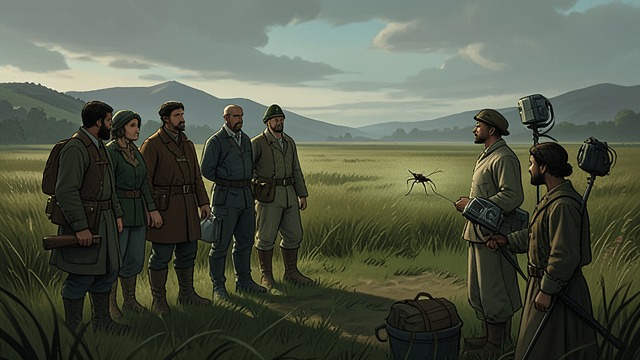
A Case Built Across Scales
From Field to Body
Earlier chapters traced pesticides through soil, water, wildlife, food, and human health. The accumulating examples make the problem larger than any one chemical or local incident.
A Decision Cannot Be Deferred
Carson argues that uncertainty does not justify treating present practices as inevitable. The public must decide whether the risks it has been asked to bear are acceptable.
The Superhighway Ends in Disaster
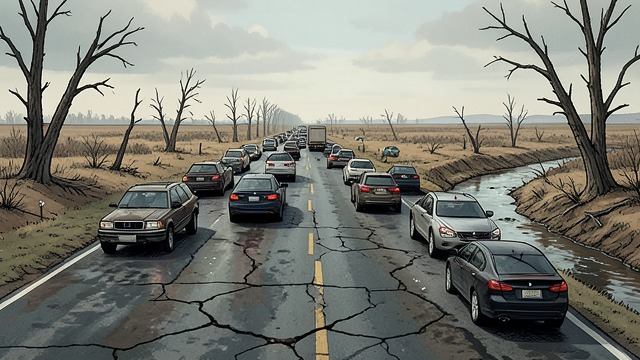
A Fast but Dangerous Road
Easy Progress
The established path of chemical control appears smooth and efficient. It offers quick visible action against pests while encouraging confidence in technological power.
Hidden Destination
Its speed conceals consequences such as contamination, resistance, and ecological damage. Carson presents the danger as cumulative: success in the immediate moment may carry the system toward failure.
The Less-Traveled Road
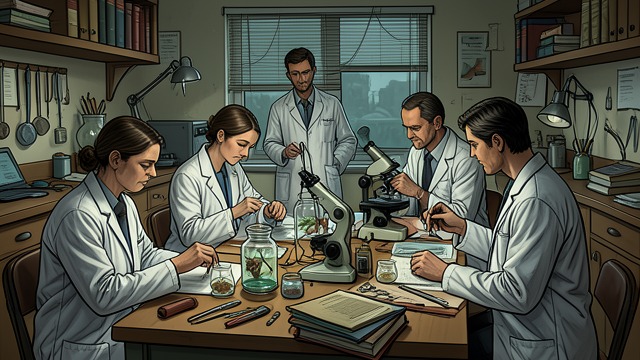
Biological Solutions
Many Disciplines Contribute
Entomologists, pathologists, geneticists, physiologists, biochemists, and ecologists can contribute to a new science of biological control. The methods begin with understanding organisms rather than applying force blindly.
Promise and Patience
Some alternatives already worked, while others remained experimental. Carson’s argument is not that every technique is ready, but that research and invention should be directed toward safer possibilities.
Success Without Blanket Poison
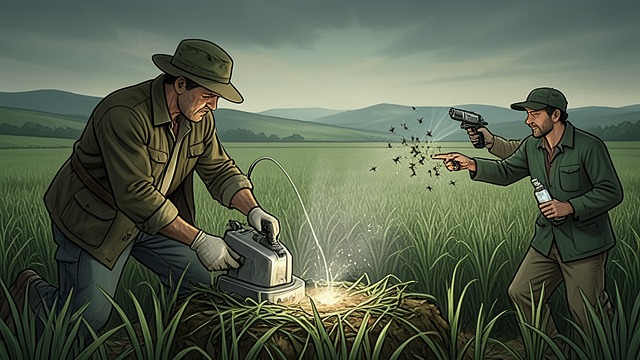
Proof of Possibility
Targeted Methods
Sterile insects, microbial agents, attractants, and natural enemies offered different ways to reduce pest populations. Each approach depended on matching a method to a species and its life history.
Practical Achievement
The examples challenge the assumption that chemical spraying is the only realistic option. Biological methods could sometimes be more durable and economical while avoiding widespread toxic residues.
A Choice for the Earth
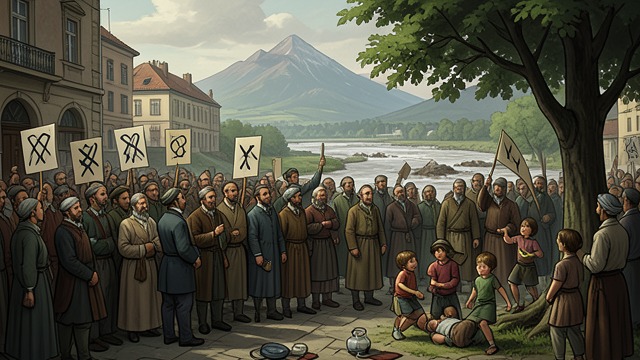
Shared Responsibility
Public Judgment
The choice between the two roads belongs to society. Citizens who understand the risks can reject claims that poisonous chemicals must fill the world simply because they are convenient.
Preservation Through Humility
Carson closes by asking people to respect the complexity and resilience of life. The alternative is not passivity but careful action that protects the earth while addressing genuine problems.
By the opening of Chapter 17
At the opening metaphor of Chapter 17
As Carson introduces alternative methods
In the chapter’s case studies
At the final pages of the book
